
Understanding the EU-India Trade Pact: A New Era in Economic Cooperation
Valentia Energy Partners Newsroom
1/27/20262 min read
Introduction to the EU-India Trade Pact
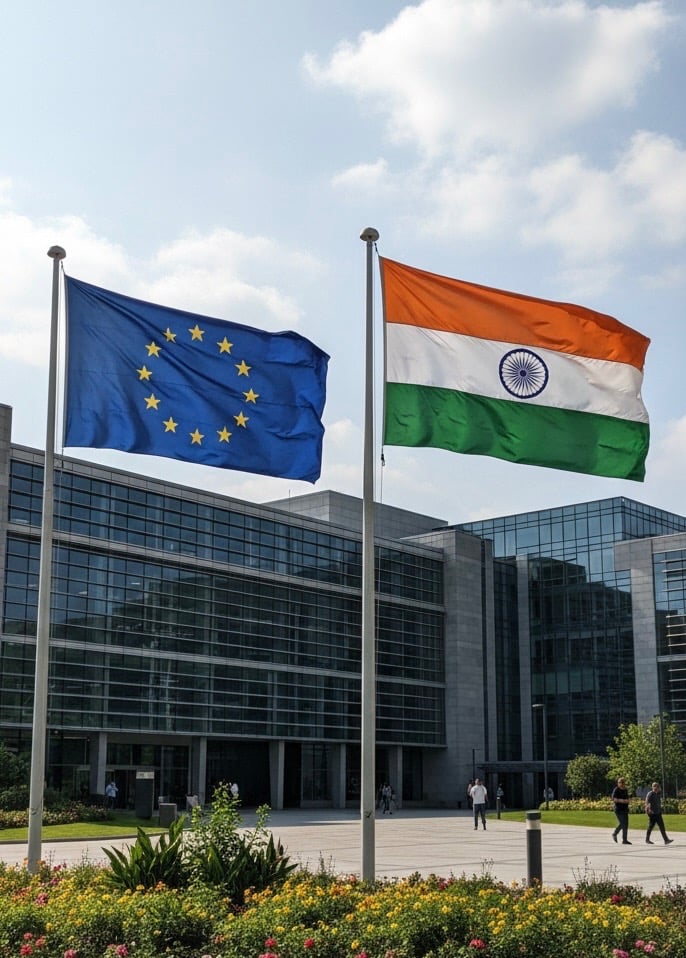
The recent signing of the EU-India trade agreement marks a significant milestone in international commerce. Declared the 'largest-ever' trade pact between these two economic regions, it reflects a mutual commitment to foster stronger trade relations. This pact comes as no surprise given India's rapid growth as a prominent player in the global market and the EU's need for diversified partnerships beyond its traditional alliances.
Key Features of the Trade Agreement
One of the most pivotal aspects of this trade pact is the extensive reduction in automobile tariffs. By lowering these tariffs, the EU aims to facilitate smoother trade flows, enabling Indian manufacturers to access European markets more efficiently. This reduction benefits European companies as well, allowing them to expand their presence in the burgeoning Indian automobile sector.
However, amid these tariff cuts, it is important to note that India has retained its duties on certain protein products. This decision reflects India's priorities in safeguarding its agricultural sector while also balancing the economic benefits of increased imports in other domains. By retaining these duties, India aims to support its local farmers while negotiating with European counterparts on future trade enhancements.
The Broader Impact of the Agreement
The EU-India trade pact is poised to bring substantial benefits to both economies. For Europe, the agreement opens doors to one of the largest consumer bases in the world, setting the stage for increased exports and investment opportunities. In turn, India stands to gain from new technologies and practices that could stem from closer ties with European businesses.
Moreover, this trade pact could serve as a blueprint for future economic collaborations with other nations, promoting a more integrated global economy. India-EU cooperation in areas such as green technology, digital trade, and sustainable development are aimed at fostering a modern, innovative economic partnership.
In conclusion, while the elimination of automobile tariffs signifies progress in liberalizing trade, the retention of duties on protein products highlights the complexities and considerations involved in such agreements. The EU-India trade pact could very well herald a new era of economic cooperation, one that emphasizes mutual benefits while respecting national interests. As both parties navigate the intricacies of this partnership, the focus will remain on sustaining growth and reinforcing strong economic ties for years to come.