
Pakistan-Bound Oil Tanker Transits Strait of Hormuz Amid Heightened Regional Tensions
OIL & GAS
Valentia Energy Partners Newsroom
3/17/20262 min read
March 16, 2026 | Valentia Energy Partners Newsroom
Executive Summary
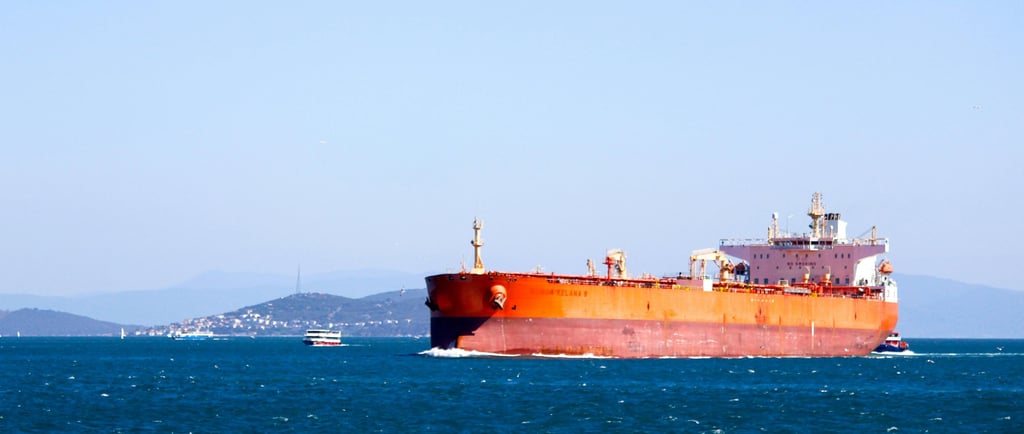
An oil tanker carrying crude destined for Pakistan has successfully transited the strategic Strait of Hormuz, highlighting the continued movement of global energy supplies despite rising geopolitical tensions in the region.
The transit underscores the resilience of maritime oil logistics even as security concerns persist in the Gulf. While naval patrols and heightened monitoring remain in place, commercial energy flows have so far continued uninterrupted through one of the world’s most critical oil shipping corridors.
For energy markets, every tanker passing through Hormuz provides reassurance that the global supply chain remains operational.
Why This Transit Matters
The Strait of Hormuz is the most important maritime oil chokepoint in the world.
Key facts:
Roughly 20% of global oil supply passes through the strait daily.
Around 17–20 million barrels per day of crude oil and condensate move through the corridor.
The strait connects Gulf producers to major Asian importers.
Countries heavily dependent on these shipments include:
China
India
Japan
South Korea
Pakistan
Because of this concentration of supply, even small disruptions can trigger large price movements.
Current Security Context
The latest tanker transit comes at a time when naval forces from the United States and regional allies are maintaining heightened surveillance across the Gulf.
Tensions have increased following:
Harassment of commercial vessels
Increased military patrols
Political friction between Washington and Iran
Despite these pressures, shipping traffic continues to flow, demonstrating the global oil market’s reliance on uninterrupted Hormuz passage.
Strategic Market Implications
▪ Market Confidence Indicator
Each successful tanker transit signals that physical supply chains remain functional.
▪ Freight Market Stability
Continued flows reduce the risk of immediate freight rate spikes tied to supply disruption fears.
▪ Insurance Risk Monitoring
War-risk insurance premiums remain sensitive to security incidents in the Gulf.
▪ Asian Demand Link
Countries like Pakistan depend on steady crude imports to support domestic refining and power generation.
The Bigger Energy System
Even with diversification efforts, the global oil market remains structurally tied to Gulf exports.
Alternative routes exist such as pipelines and export terminals outside Hormuz but none match the volume capacity of the strait.
This means global markets will continue to monitor every tanker movement through the region.
Bottom Line
The safe passage of a Pakistan-bound tanker through the Strait of Hormuz highlights a key reality of the energy market:
Despite geopolitical tensions, the world still depends on uninterrupted shipping through this narrow corridor.
As long as tankers keep moving, global oil markets remain stable. The moment they slow or stop, prices react immediately.
Subscribe to the Valentia Energy Partners newsletter for more market intelligence, energy flow insights, and geopolitical risk analysis.