
Oil Holds Steady as Iran Risk Premium Eases and Russian Flows to India Slow
Valentia Energy Partners Newsroom
2/9/20262 min read
Valentia Energy Partners Newsroom — Oil & Gas
Date: 02-09-2026
Market Snapshot
Brent & WTI: Benchmarks traded stable with mild upside, reflecting easing of geopolitical supply fears and shifting demand patterns.
Trend Diagnosis: Tactical sentiment adjustment—geopolitical risk repricing keeps prices range-bound while physical flow signals set the floor.
Key Highlights
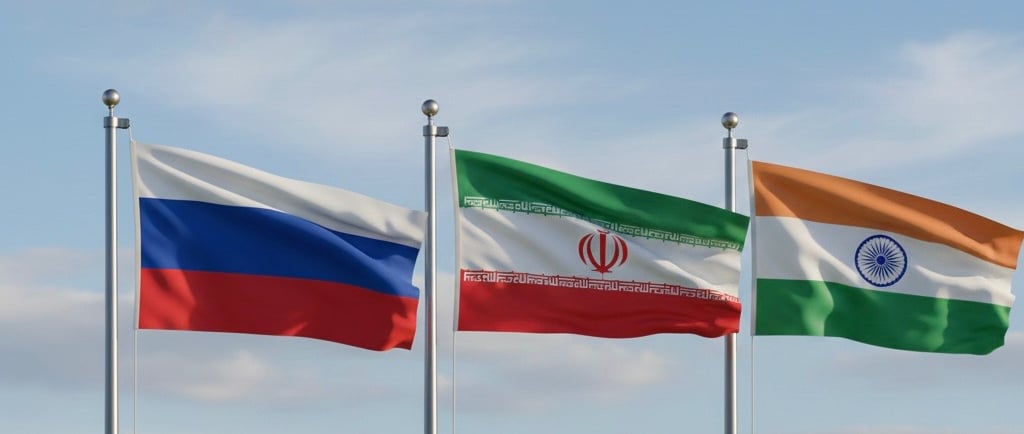
Geopolitical risk: U.S.–Iran indirect talks and diplomatic engagement have eased supply disruption fears tied to the Middle East, tempering volatility.
Russia-India flows: Data and policy shifts show slowing Russian crude imports into India, reshaping Asian crude demand dynamics.
Freight & chokepoint risk: The Strait of Hormuz remains a structural supply passage, but near-term conflict pricing has relaxed.
The Why
Oil prices have stabilized after a dramatic swing driven by geopolitical headlines earlier in January and early February. The catalyst for today’s calm is twofold:
Geopolitical risk repricing: Positive signals from U.S.–Iran indirect talks have reduced the premium on potential supply disruption, especially through the Strait of Hormuz, historically priced into Middle East barrels. Markets are now focusing more on fundamentals than worst-case conflict scenarios.
Shift in Asian crude sourcing: India’s imports of Russian seaborne crude have declined amid Western pushback and a pending U.S.–India trade framework that includes sourcing commitments and tariff adjustments. This drop in Russian flow to India — a major destination — is reducing the oversupply of heavy barrels, supporting a price floor despite easing geopolitical tensions.
Together, these factors result in a delicate balance between reduced risk premiums and physical supply shift, leaving crude prices relatively stable.
What the Market Is Missing
Observers focus on headlines like “prices are stable” or “geopolitical risk is easing,” but execution realities matter more:
Forward freight curves and insurance costs are leading indicators; even if headline prices are flat, freight war-risk surcharges can adjust quickly ahead of physical shipment reallocation.
India’s decline in Russian crude uptake is a gradual execution story, not an instantaneous cut — refiners need time to wind down contracts and reallocate crude slates, often affecting ton-mile calendars and spot tender behavior.
Structural tensions remain: Iran’s statements about potential retaliation keep a residual risk premium alive, meaning markets can flip rapidly if negotiations derail.
Forward Outlook (Next 5–7 Days)
Diplomatic signals: Watch for statements from Washington or Tehran on the scope and enforcement of talks; markets price these cues before data prints.
Cargo nominations: Asia crude tenders and VLCC bookings will reveal whether India’s Russian flow slowdown translates into new ton-mile demand for alternative sources (Middle East, U.S., Venezuela).
Cross-Market Signal
Refined product cracks: Stability in crude encourages refiners to optimize runs, which can lead to narrowed diesel/gasoil spreads if logistics normalize.
FX & commodities: A reduced geopolitical premium often strengthens the USD and can weigh on dollar-priced commodities like oil.
Freight rates: Eased war-risk perception should see moderation in war-risk surcharges, tightening certain freight spreads.
Strategic Overlay
Missed Opportunities — Where the Market Can Level Up Fast
Freight and insurance signals often lead price adjustments; desks that integrate these into positioning outperform narrative-driven trades.
Execution timing of Indian refinery adjustments matters more than headline procurement policy announcements; real purchasing patterns lag rhetoric.
Strategic Implications — If Executed Well
Procurement: Buyers should secure optional barrels from diversified origins, accounting for Indian demand shifts.
Hedging: Enhance hedges with freight and regional premium tools rather than flat Brent/WTI exposure.
Trade execution: Margins accrue to teams aligning logistics calendars, sanction risk models, and geopolitical signals — not those chasing spot price moves.
For continued coverage and trade-flow intelligence, subscribe to the Valentia Energy Partners Newsroom.