
Mexico Explores Tariff-Safe Routes to Supply Fuel to Cuba Amid U.S. Pressure
OIL & GAS
Valentia Energy Partners Newsroom
2/6/20262 min read
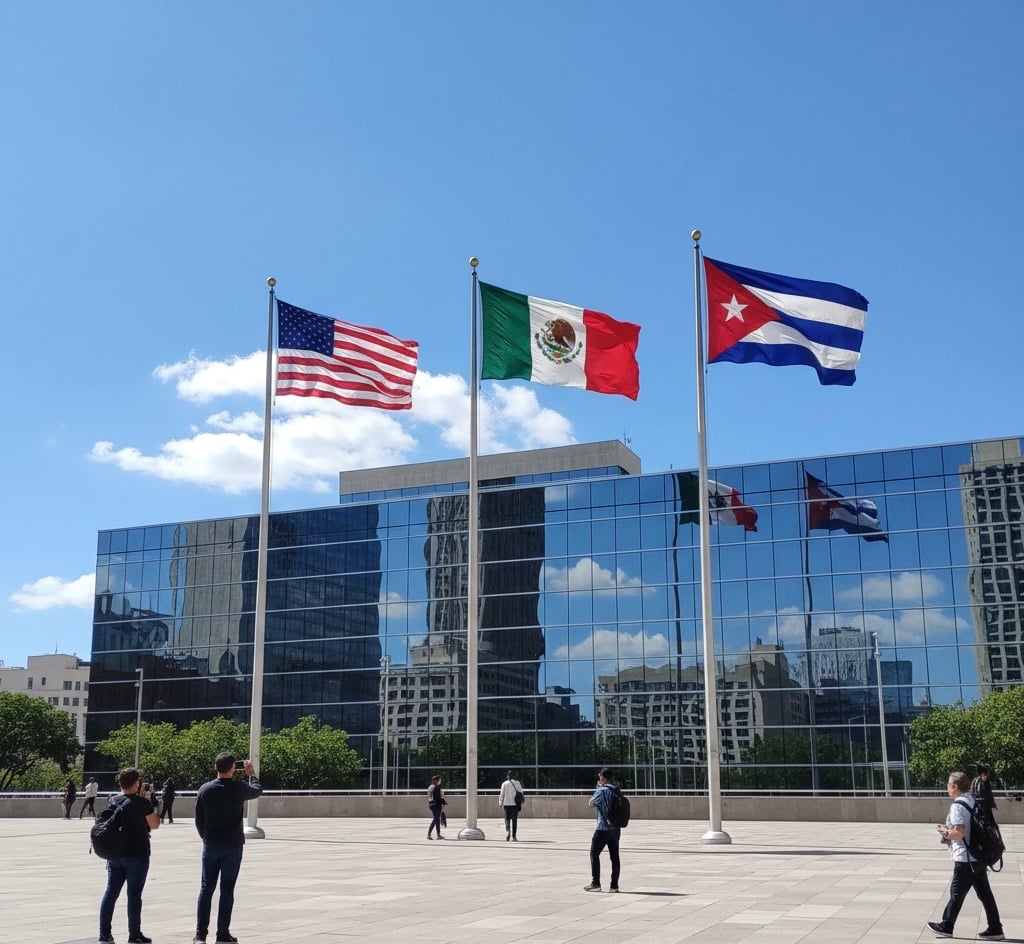
Valentia Energy Partners Newsroom — Oil & Gas
Market Snapshot
Brent: ~$82/bbl (most recent settlement)
WTI: ~$78/bbl (most recent settlement)
Trend: Tactical firmness within a structurally range-bound market as geopolitics lift prompt risk while refining and logistics determine real outcomes.
What’s moving the tape
OPEC+: Output restraint remains intact; barrels are available, but placement is the constraint (market consensus; IEA).
U.S. dynamics: Strong product exports offset by regional refinery bottlenecks; Gulf Coast remains the swing supplier (EIA).
Freight & geopolitics: Elevated sanctions enforcement and routing scrutiny raise execution risk more than outright supply loss (shipping data).
The Why
Mexico’s search for tariff-safe pathways to move fuel into Cuba underscores a recurring truth in today’s oil market: policy shapes routes, but logistics decide feasibility. With Cuba short of refined products and traditional suppliers constrained by sanctions, Mexico’s proximity and refining footprint make it a natural supplier—yet U.S. trade pressure turns a simple cargo into a compliance puzzle.
The crux is execution. Any solution must navigate vessel flagging, ownership structures, STS transfers, insurance, and payment rails without triggering U.S. tariff or sanctions exposure. This pushes flows toward short-haul, low-visibility logistics and raises costs via insurance premiums and operational friction. The result isn’t a headline supply shock; it’s a quiet tax on margins that reshapes who can actually move barrels.
What the Market Is Missing
Prices are not reflecting the operational choke points created by sanctions-adjacent trade. The risk isn’t volume availability—it’s who can charter, insure, and clear cargoes without blowback. As scrutiny tightens, marginal suppliers exit, leaving a narrower pool of compliant operators and higher delivered costs into the Caribbean.
Forward Outlook (Next 5–7 Days)
Inventory signals: Watch U.S. product stocks—any draw tightens Gulf Coast export optionality and raises Mexico’s opportunity cost.
Policy triggers: Clarifications on tariff enforcement or carve-outs could immediately reprice Caribbean product differentials.
Freight watch: Any incident near the Yucatán Channel or insurance advisory changes will ripple through short-haul product rates.
Cross-Market Signal
Inflation: Higher delivered product costs into the Caribbean feed regional CPI and subsidy burdens.
FX: Peso sensitivity rises with product export margins and refinery utilization.
Refined spreads: Gasoline and diesel cracks in the Atlantic Basin remain the real signal—not flat price.
Strategic Overlay
Missed Opportunities (Where We Can Level Up Fast)
Refinery-to-market alignment: Flexible product slates and short-haul scheduling create optionality others lack.
Freight structuring: Charter terms, flag choice, and insurance layering are now competitive advantages.
Finance & compliance: Pre-cleared payment and documentation frameworks shorten cycle time and protect margins.
Strategic Implications (If Executed Well)
Procurement: Secure compliant barrels early; last-minute sourcing is where tariffs bite.
Hedging: Protect cracks and freight exposure—not just flat price.
Trade execution: Margins accrue to operators who manage compliance and logistics as one system.
How This Becomes a Must-Read Outlet
We track flows before policy and policy before price—because barrels don’t move on headlines. Decisions are made at the dock, not on the screen.
For continued coverage and trade-flow intelligence, subscribe to the Valentia Energy Partners Newsroom.