
Energy as a Bargaining Chip: Why a Ukraine–Russia Strike Truce Matters More for Infrastructure Than for Peace
Valentia Energy Partners Newsroom
1/30/20262 min read
Market Snapshot
Brent: $84.30/bbl | WTI: $80.10/bbl (most recent settlement)
Trend Diagnosis: Tactical de-risking attempt layered on a structurally tight energy system—flows matter more than rhetoric.
Key Highlights:
OPEC+: No immediate policy shift; Middle East spare capacity remains the primary buffer against escalation risk.
U.S. production/export dynamics: U.S. crude and LNG exports remain steady, continuing to backfill European energy security.
Geopolitical & freight disruptions: Eastern European energy infrastructure remains a latent risk premium, particularly for gas transit and power generation assets.
(Sources: market consensus, EIA, IEA, shipping and energy infrastructure data.)
The Why
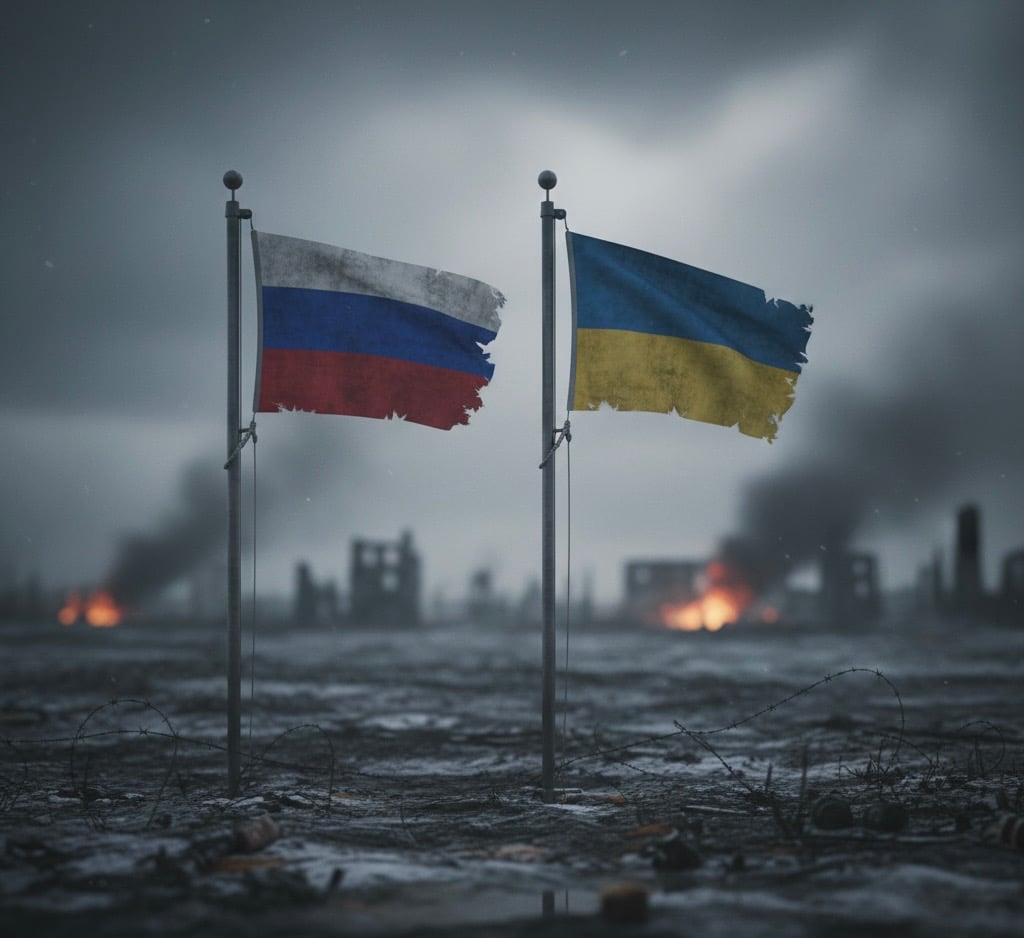
President Zelenskiy’s invitation for a truce on energy strikes is less about diplomacy and more about infrastructure preservation. After repeated targeting of power generation, gas storage, and transmission assets, Ukraine’s energy system is operating under elevated execution risk. For physical markets, this proposal signals an attempt to stabilize regional energy throughput, not to resolve the broader conflict.
From a trade-flow perspective, any reduction in infrastructure damage lowers the probability of sudden supply interruptions into Eastern and Central Europe—particularly for electricity, pipeline gas balancing, and refined product logistics. However, markets should remain cautious: enforcement mechanisms are weak, and energy assets have repeatedly proven to be tactical targets regardless of stated intent.
What the Market Is Missing
Markets may be underpricing the asymmetric enforcement risk. Even if Russia accepts an energy strike truce, compliance would be difficult to verify, and incentives remain skewed. The real vulnerability lies not in headline crude supply, but in gas storage sites, power substations, and cross-border transmission nodes—assets that directly affect winter balances and peak-load pricing rather than flat oil prices.
Forward Outlook (Next 5–7 Days)
Policy signal watch: Any acknowledgment or rejection from Moscow will influence short-term European gas and power volatility more than crude benchmarks.
Infrastructure monitoring: Grid disruptions or renewed strikes would quickly reintroduce risk premium into regional gas and electricity markets, with spillover into LNG spot demand.
Cross-Market Signal
Gas & power: European gas spreads and power forwards are more sensitive to infrastructure risk than oil prices in this scenario.
FX: Reduced energy insecurity would marginally support the euro, but only if physical infrastructure stability follows rhetoric.
Strategic Overlay
Missed Opportunities — Where the Market Can Level Up Fast
Traders overly focused on crude may miss volatility in regional gas, power, and LNG balancing flows.
Optionality in LNG cargo diversion remains underutilized as a hedge against Eastern European infrastructure shocks.
Strategic Implications — If Executed Well
Procurement: European buyers should prioritize flexibility over price in near-term gas contracting.
Hedging: Infrastructure risk argues for layered hedges across gas, power, and freight rather than oil alone.
Trade execution: Margins favor desks prepared for rapid reallocation of LNG cargoes if infrastructure stability deteriorates.
For continued coverage and trade-flow intelligence, subscribe to the Valentia Energy Partners Newsroom.